An aesthetics and skin clinic depended on referrals with limited digital presence in a high-value market. DXDasia built a local-search and trust-led acquisition system that grew consultation bookings 5.3×.
5.3× Growth in Consultations
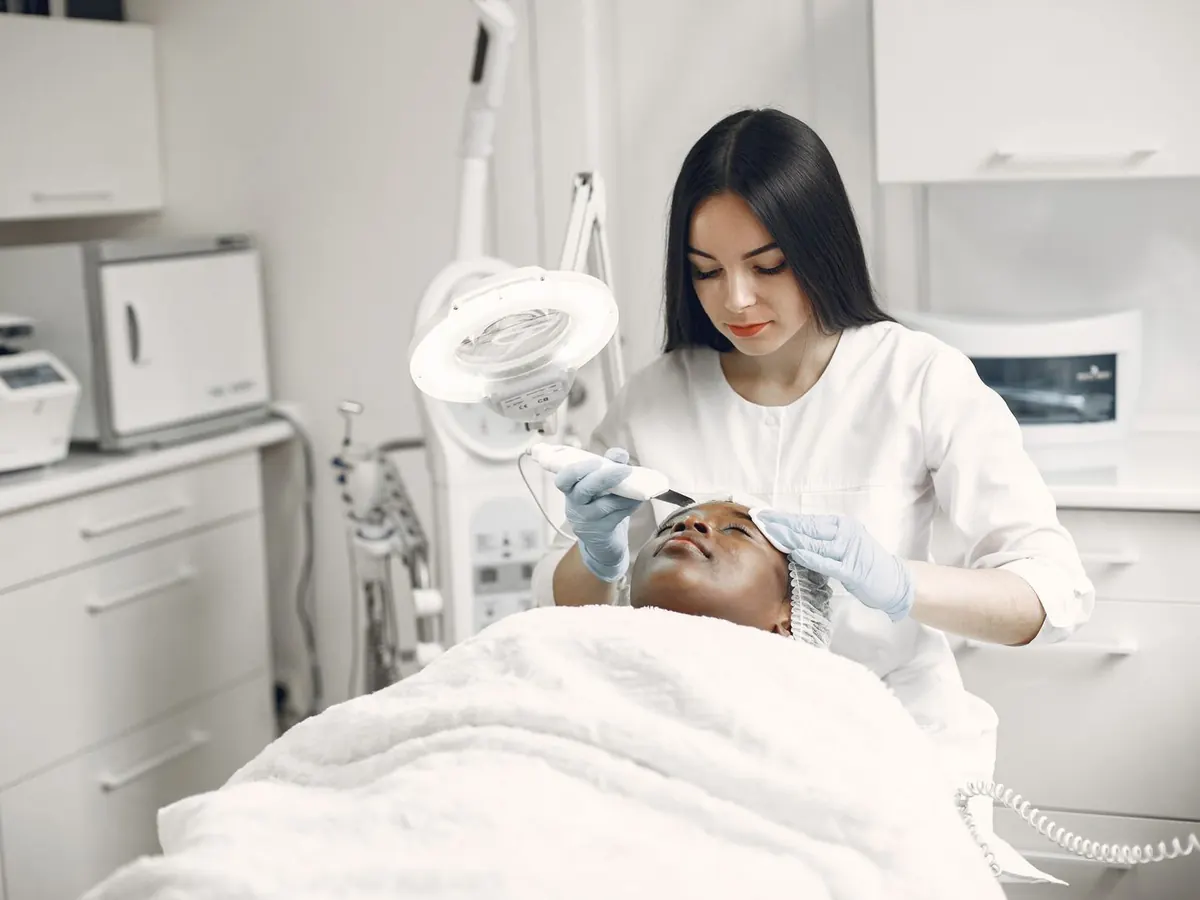
High-value treatments require trust and strong local visibility — the clinic had neither online.
We built local visibility and layered in the trust signals that high-value aesthetic decisions demand.
The clinic grew consultations while reducing referral dependency:
In aesthetics, trust converts and local visibility captures demand. Combining both turned a referral-dependent clinic into a predictable, high-value booking engine.
Aesthetics is a high-consideration, trust-driven category, so the local-search and content strategy leaned on before/after credibility and practitioner expertise rather than generic beauty-industry messaging. Booking flow was simplified specifically for mobile, since the majority of research-to-booking behaviour in this category happens on a phone, often outside business hours.
Aesthetic treatments sit between beauty and medicine, and that shapes what a clinic may say online. In Singapore, the Ministry of Health (MOH) states that clinical aesthetic procedures by registered doctors and dentists are regulated under the Healthcare Services Act, as set out in parliamentary answers given on 15 October 2025. Advertising is covered separately by the Healthcare Services (Advertisement) Regulations 2021. Other markets have their own rules, so the first job is to find out which ones apply to your licence.
MOH's own advertising FAQ.pdf) (updated October 2023) draws a clear line on proof. Before-and-after or after-only photographs, pictures and videos may be shown to patients during a consultation, with proper context from the doctor. Advertisements must not feature them, even with disclaimers. Laudatory statements are prohibited whether or not they are accurate. On reviews, the FAQ allows those that are organic, unpaid, unsolicited, unmodified and not reproduced by the clinic. In a January 2024 answer, MOH also said non-medical professionals, including social media influencers, may not advertise licensable healthcare services.
None of this stops a clinic building trust. It changes where each kind of proof lives: practitioner credentials, clear service descriptions and honest process pages online, outcome photographs in the consulting room.
They read reviews, and their standards are rising. BrightLocal's 2026 Local Consumer Review Survey found that 31% of consumers will only use a business rated 4.5 stars or higher, up from 17% a year earlier, and 68% want four stars or more, up from 55%. Google's share as a review source fell from 83% to 71%, with Apple Maps, Facebook and video platforms gaining. These are general local-business figures, not aesthetics-specific.
For patients specifically, a December 2024 survey of 1,008 US adults by review-software vendor rater8 found 84% check online reviews before choosing a new provider and 40% have cancelled or avoided an appointment because of them. Treat vendor surveys as directional, but the direction is consistent: reviews decide shortlists.
The practical consequence is that a clinic cannot buy its way around reputation. A high-intent search for a treatment near you ends at a profile, a rating and a handful of recent reviews, then a phone call or a form. Each of those touchpoints needs to work on a phone, outside office hours, and within your advertising rules. A clinic that treats the listing, the reviews and the booking path as one system tends to avoid the common gap where traffic arrives and enquiries do not.
| Question | What the source says | Source |
|---|---|---|
| Before-and-after images in ads? | Not allowed in advertisements, even with disclaimers; allowed in consultation | MOH FAQ, Oct 2023.pdf) |
| Influencer promotion? | Not allowed for licensable services unless the advertiser holds a licence | MOH, Jan 2024 |
| Which reviews are acceptable? | Organic, unpaid, unsolicited, unmodified, not reproduced | MOH FAQ, Oct 2023.pdf) |
| Minimum stars many consumers accept | 31% only use 4.5 stars or higher (17% in 2025) | BrightLocal, 2026 |
| Patients who check reviews first | 84% (US adults, Dec 2024, vendor survey) | rater8 |
Singapore advertising rules and consumer review behaviour at a glance.
Use these steps to build a trust-led local booking engine that stays inside the rules of your market.
Across several client accounts we have found the same quiet failure: a website redesign or relaunch removed the Google Ads conversion tag, and the account kept spending while reporting zero or wrong conversions. For a clinic, where a single consultation is worth far more than a click, that gap hides everything. We now re-verify conversion tags after every rebuild, before anyone judges campaign performance or changes a budget.
With consultation bookings now growing consistently, the clinic is extending the same trust-led content approach to new treatment categories as they’re introduced, rather than rebuilding visibility from scratch for each new service. Review generation is also being formalised into the post-treatment process to keep compounding the trust signals that are driving bookings.
According to MOH's advertising FAQ (updated October 2023), no. Advertisements must not feature before-and-after or after-only treatment images, even with disclaimers. They may be shown to patients during a consultation, with proper context from the doctor. Confirm the current wording on MOH's FAQ.pdf) and with your legal adviser before publishing.
Treat it carefully. MOH's FAQ describes acceptable reviews as organic, unpaid, unsolicited and unmodified, and says clinics must not offer anything of value to induce one. Whether a neutral prompt counts as solicitation is a compliance question for your adviser. Read the FAQ.pdf) first. A clinic should also never edit or selectively reproduce reviews it receives.
Expectations are climbing. BrightLocal's 2026 survey found 31% of consumers will only use a business with 4.5 stars or more, and 68% want at least four, up from 55% a year earlier. Recency and review volume matter too. See the full survey. Reply politely to critical reviews without discussing treatment details.
In Singapore, MOH said in January 2024 that non-medical professionals, including social media influencers, are not allowed to advertise licensable healthcare services. Rules differ elsewhere, so check your own market before running any creator campaign. Related reading: our healthcare and wellness clinics case study. A licensed practitioner explaining a procedure on the clinic's own channels is a different situation from a paid creator promotion.