
See and test your product before you pay to build it. Clickable prototypes let you validate the idea with real users and catch costly mistakes early.
Tell us about your project
Three quick questions, then your details. A senior strategist replies within one business day.
Prototyping and Interaction Design help turn product ideas into interactive, testable experiences before development begins. Prototyping creates visual models that simulate how users will navigate and use a product, while Interaction Design defines user flows and system behaviour. Together, they help validate ideas, improve usability, and reduce development risks early in the product design process.
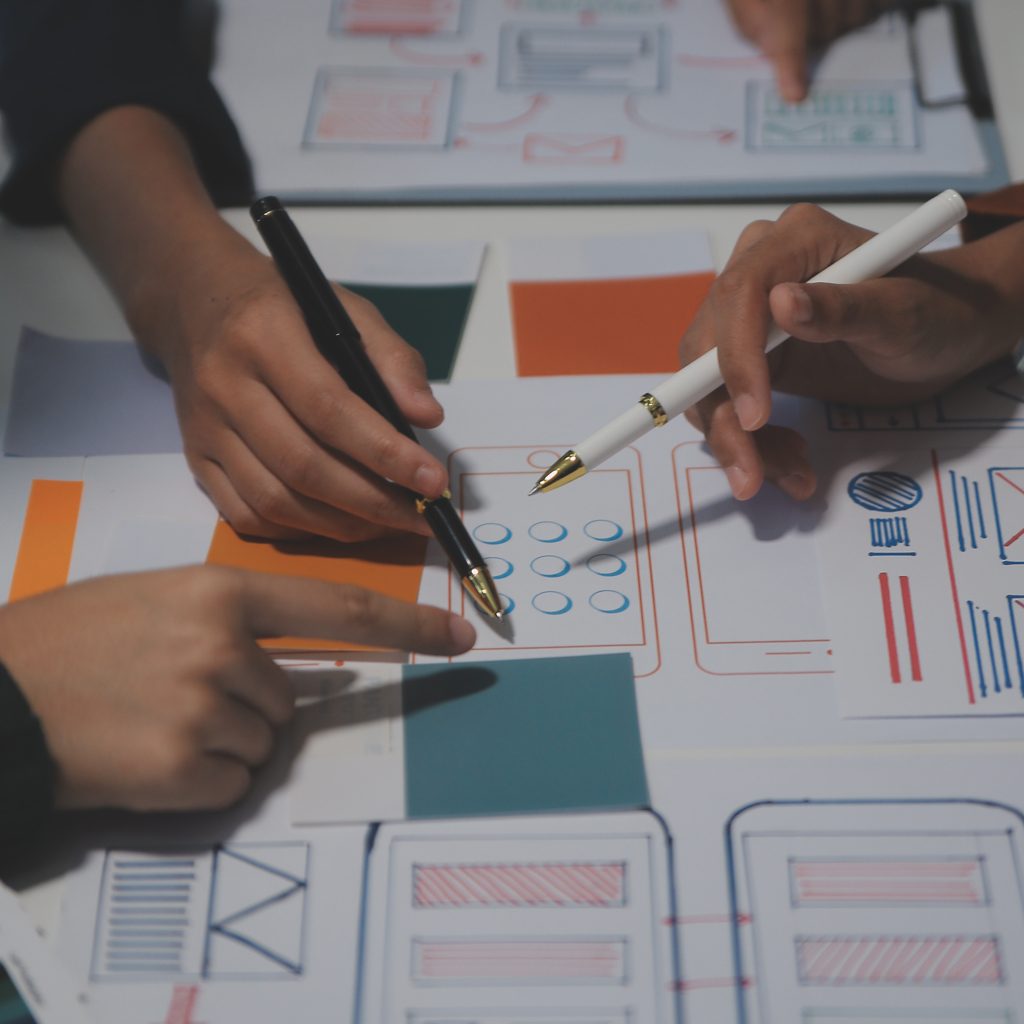
When prototyping and interaction design are overlooked, products often face unclear workflows, confusing navigation, and inconsistent user experiences that appear late in development or after launch. At DXDasia, we address these challenges by validating product interactions early through structured prototyping and experience modeling. This helps us reduce development risks, improve usability, and ensure that digital products are intuitive, efficient, and built for long-term scalability.
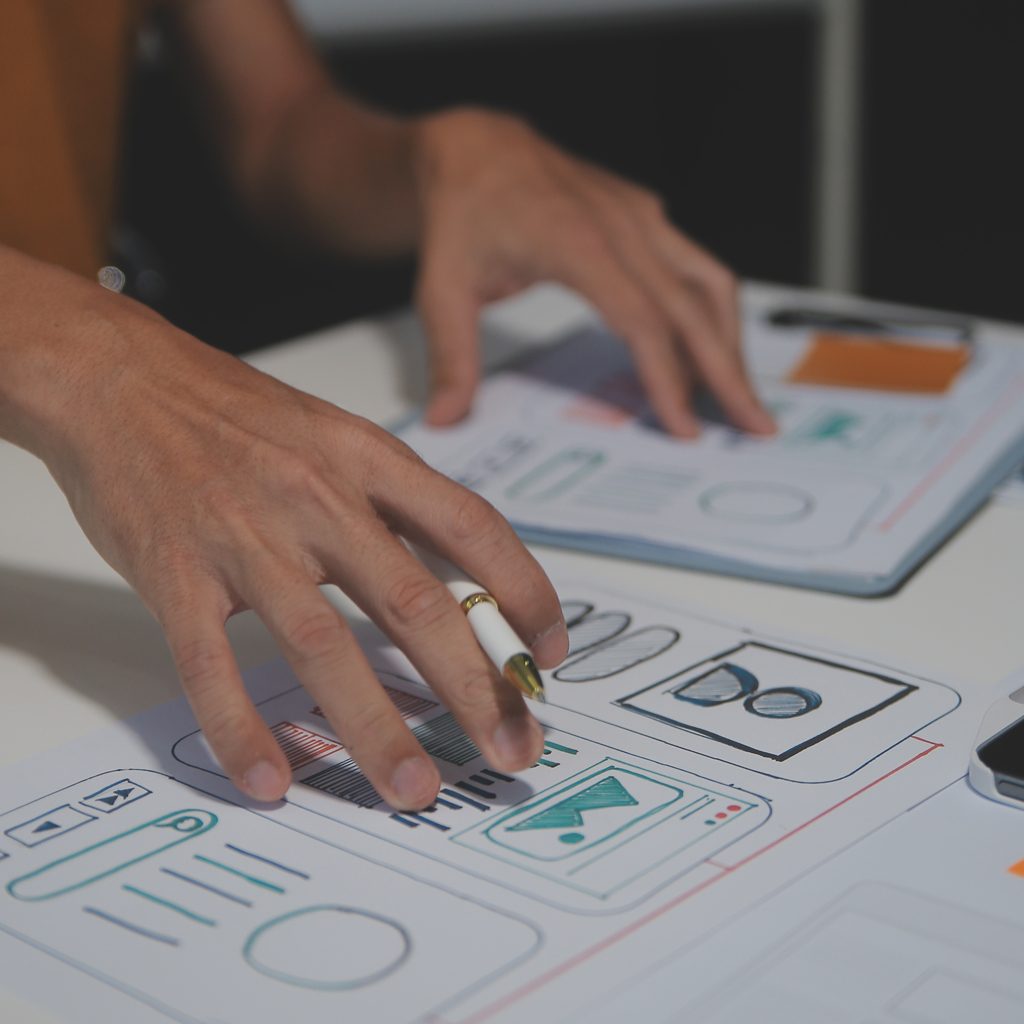
We develop high-fidelity interactive prototypes that replicate real product behaviour, enabling teams to visualise, test, and validate product experiences before development begins.
Our designers create structured wireframes and interface frameworks that define product architecture, screen flows, and core functionality.
We design intuitive interfaces for AI-powered platforms, dashboards, and intelligent applications that involve complex data interactions and workflows.
We analyze user behaviour and design optimized interaction paths that enhance usability, engagement, and product performance.
We test prototypes with real users to identify usability gaps, gather feedback, and refine the overall product experience.
Through continuous feedback and iterative design improvements, we refine product interactions to ensure a seamless and efficient user experience.
At DXDasia, we utilize industry-leading design and development tools to create high-quality digital product experiences. Our technology stack enables us to build interactive prototypes that closely replicate real product environments, supporting effective testing, validation, and experience refinement.
Our Design Technology Stack:
 Figma
 Photoshop
 Illustrator
 HTML5
 CSS
 JavaScript
At DXDasia, we follow a structured and collaborative approach to ensure product experiences are clearly defined and validated before development begins.
We analyze your product vision, business objectives, and user needs to establish a clear experience strategy.
We design structured wireframes and interaction flows that define product architecture and user journeys.
We build high-fidelity prototypes that simulate real product interactions, enabling teams to visualize and evaluate the experience.
We validate prototypes through feedback and usability insights, refining the design to ensure development readiness.
At DXDasia, we help startups and enterprises turn product ideas into intuitive digital experiences through advanced prototyping and interaction design, ensuring clarity, usability, and faster product validation.
Frequently asked question (FAQ) pages to find answers.
Still have questions?
Wireframing defines the basic structure of a product, such as layout and navigation. We use prototyping to create interactive models that simulate how users will interact with the product.
Interaction design helps us define clear user flows and system behaviour before development, ensuring a more intuitive and efficient product experience.
The timeline depends on product complexity. Simple prototypes may take a few weeks, while complex systems require more time for testing and refinement.
Yes. We use interactive prototypes to test user interactions and gather feedback, helping us refine the product experience before development begins.
We track engagement metrics, user journey behavior, conversion rates, and task efficiency to ensure measurable alignment with your business goals.
A focused prototype covering three to five core user flows typically takes two to three weeks. A full product prototype with usability testing built in usually runs four to six weeks, depending on how many user roles and edge-case states need to be covered.
A prototype lets you catch navigation confusion, missing workflow steps, and stakeholder disagreements before developers write code around them. Fixing a flawed user flow in a prototype takes hours; fixing it after the application is built takes weeks and often means reworking backend logic too.
Wireframes are static or lightly-linked layouts used to agree on structure and content placement. A clickable prototype simulates real interactions - button states, transitions, form behavior - closely enough that users can genuinely test it as if it were the finished product.
We handle the full prototyping process end-to-end, including interaction design, visual design of the prototype screens, and usability testing coordination. You don't need an in-house designer to use this service.
Yes. We deliver prototypes with full component specs, states, and interaction documentation specifically so any development team - internal or external - can build from them without needing us to interpret the design.
We document the core user goals and business rules the product needs to support, then map the primary user flows as low-fidelity wireframes to agree on structure before any visual design begins.
We build clickable grayscale wireframes covering the critical paths - onboarding, core task completion, edge cases - so stakeholders can validate logic and navigation without being distracted by color or polish.
We build a clickable, realistic prototype with actual interface components, transitions, and states (loading, error, empty) using tools like Figma, so it behaves close enough to the real product to test convincingly.
We run the prototype past real target users or internal stakeholders, capturing friction points, confusion, and drop-off moments before those issues become expensive to fix in production code.
We revise the prototype based on testing feedback and package it with detailed specs, component states, and interaction notes so the development team can build from it with minimal ambiguity or rework.
We'll get back to you within one business day.