A boutique hotel group was heavily dependent on OTAs with inconsistent occupancy. DXDasia rebuilt the direct-booking experience and campaigns, growing direct bookings 5.4×.
5.4× Increase in Direct Bookings
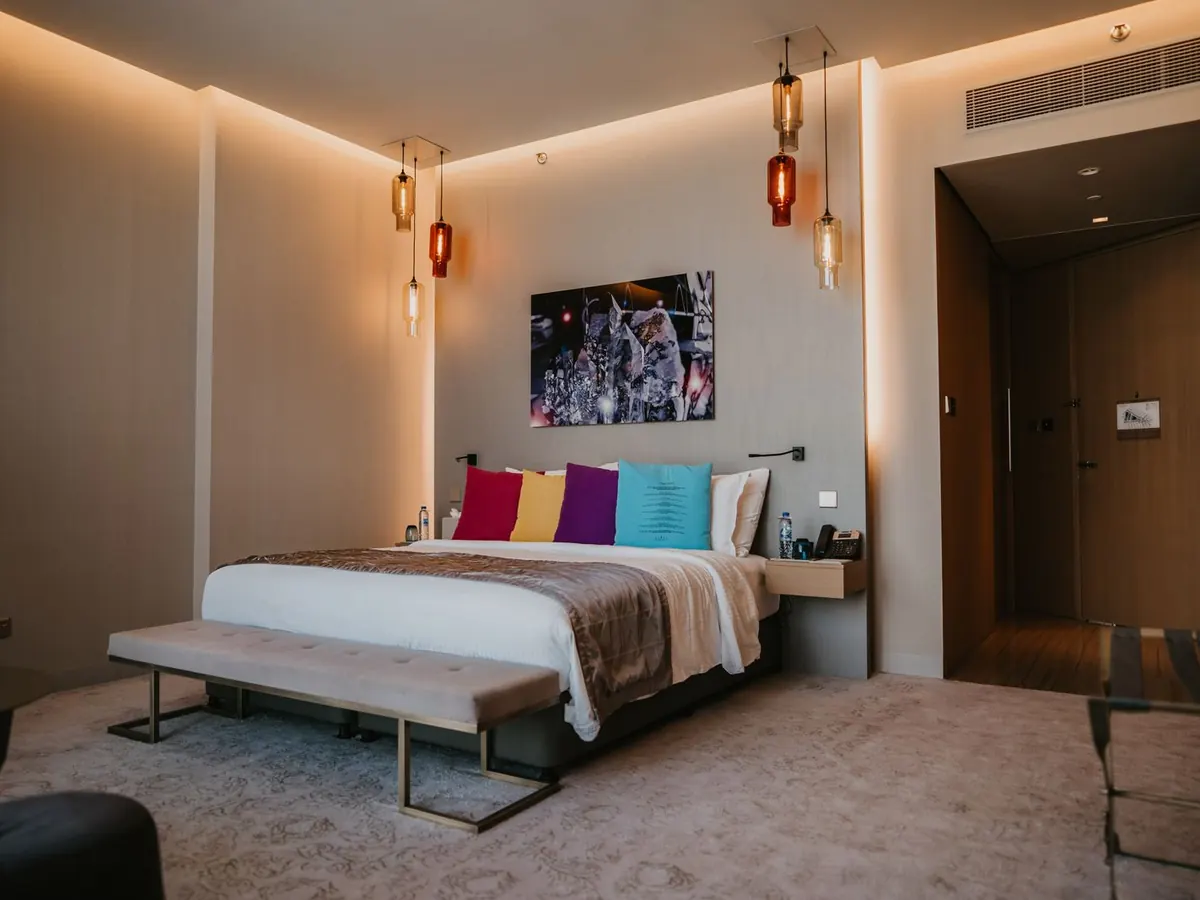
Most bookings came through OTAs, eroding margins and giving the hotels little control over the guest relationship.
We made booking direct the easiest and most appealing option.
The hotels shifted demand toward higher-margin direct channels:
Every direct booking is margin an OTA does not take. An inspiring website plus direct-focused campaigns gave the hotels back control of demand — and of the guest relationship.
OTA dependency is usually a pricing and visibility problem at the same time — guests default to Booking.com or Agoda because the hotel’s own site doesn’t rank or convert as well, so the fix addressed both: direct-booking-focused campaigns paired with a booking experience built to convert at parity with, or better than, the OTA listings guests were used to.
Online travel agencies give small hotels reach they could not buy alone, but they also take a share of every room sold. The picture in Europe is the best documented. The HOTREC European Hotel Distribution Study 2026, as reported in September 2026, found that 51.3% of European hotel bookings were made directly with the property, down 6 percentage points since 2013, while OTA reliance rose from 19.7% to 29.9%. Booking.com alone held 66.1% of OTA portal bookings, and Booking Holdings and Expedia Group together 85.4% of the OTA segment.
These are European figures, so treat them as a direction of travel rather than a Singapore or India benchmark. The same report says 51% of hoteliers reported OTAs undercutting their rates without prior agreement, which is why rate parity is worth auditing.
Cloudbeds describes average OTA commission as 15% to 30% or more, varying by platform, market, booking volume, preferred-partner programmes and paid visibility packages. Some niche OTAs charge as little as 4%. Because no single figure applies, compare your own commission statements with what a direct booking costs you in marketing and booking-engine fees.
Google's Hotel Center says booking partners pay no fee for free booking links and that no one can buy better placement for them. Hotels with rates and availability connected can appear next to paid listings, usually through a booking engine or PMS partner. Ranking for your own name and your Google profile also matters, since Google says complete, accurate profiles and reviews help local visibility.
Guests compare your site with an OTA listing that loads fast and shows the total price. Baymard's data puts average cart abandonment at 70.22%, with 40% of those giving a reason citing extra costs and 12% not seeing the total up front. A Deloitte study for Google found a 0.1-second mobile speed gain linked to higher conversion on retail sites; it did not cover hotels, so read it as a signal about speed generally.
What this means in practice: the data does not prove that any one hotel can reach a given direct share. It shows where the money goes, which free channels exist, and where booking pages lose guests. Start by measuring your own split of OTA and direct reservations, then fix the largest gap between the two.
| Source | Finding | Applies to |
|---|---|---|
| HOTREC 2026 | 51.3% of bookings direct; OTA reliance 19.7% to 29.9% since 2013 | European hotels |
| HOTREC 2026 | Booking.com 66.1% of OTA portal bookings | European OTA segment |
| Cloudbeds | Average OTA commission 15% to 30%+ | Global, varies by market |
| Google Hotel Center | Free booking links carry no fee; placement cannot be bought | Hotels with rates connected |
| Baymard | Average cart abandonment 70.22% | Online checkouts generally |
Key cited figures. Commission and share data are regional or global averages.
The aim is to make the direct route the easiest, clearest and best-value option at the moment a guest decides.
Across several client accounts we have found the same pattern: a website redesign or relaunch quietly removed the Google Ads conversion tag, and the account kept spending while reporting zero or wrong conversions. For a hotel that is serious, because a direct-booking campaign cannot be judged without it. We now re-verify conversion tags after every rebuild before judging performance. That is why we treat tracking as the first check on any hotel account.
With direct bookings now growing, the hotel keeps a larger share of every booking’s margin instead of paying OTA commission on an increasing share of its business. The next focus is building a returning-guest campaign to convert the growing base of direct bookers into repeat, loyalty-driven business.
There is no single rate. Cloudbeds describes an average of 15% to 30% or more, depending on platform, market, volume and paid visibility programmes. Check your own contract and statements, because preferred-partner and promotion fees can raise your effective cost.
In Europe, the HOTREC 2026 study reported 51.3% of bookings made directly. That figure is regional, so a Singapore or Indian property should measure its own split from reservation data before setting a target.
Google's Hotel Center says partners pay no fee and placement cannot be bought. You still need rates and availability connected, normally via a booking engine or PMS partner, and your site must let guests book with you.
Rarely on its own. Visitors must find it, trust it and see the full price quickly. Pair design work with traffic and tracking; our conversion rate optimisation and paid campaign management work is built around that.
Collect consent at check-in and send offers by email or WhatsApp. Our AI chat and messaging assistants can also answer booking questions automatically, so enquiries do not wait until morning.