A manufacturing and industrial-services firm had an outdated website and low inbound volume. DXDasia rebuilt its presence around technical intent and conversion, tripling qualified inbound leads.
5.2× Growth in Qualified Leads
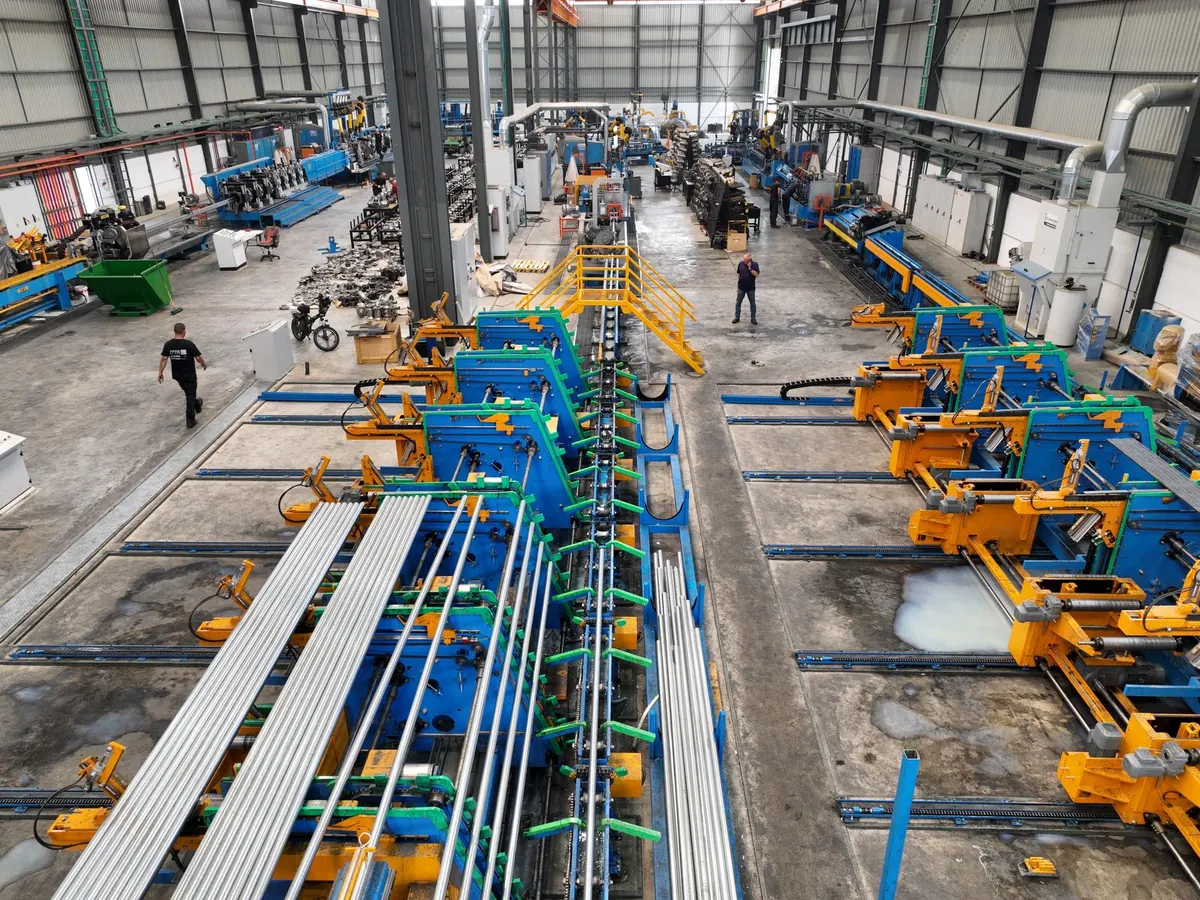
An old website and thin content meant the business was invisible for the niche terms its buyers searched.
We restructured the site's content and funnels around how technical buyers actually search.
Inbound demand grew with better intent and lower cost:
In industrial marketing, the buyers are already searching — the content just has to be there. Restructuring around technical intent turned an invisible website into a consistent source of qualified enquiries.
Manufacturing buyers typically search using very specific technical terminology, so keyword research went deep into the exact language used in RFQs and technical specifications rather than generic industry terms. Landing pages were built to answer the specific qualifying questions a procurement team would ask before ever picking up the phone, reducing unqualified enquiries reaching the sales team.
Industrial buyers are engineers and procurement teams working from a specification. They search with part numbers, standards and material grades, not slogans.
Most of the buying journey happens before an enquiry reaches a supplier, which is why a supplier's own website carries so much weight.
The same pattern appears across B2B. LinkedIn's B2B Institute reports, from joint work with the Ehrenberg-Bass Institute, that 95% of potential buyers are not ready to buy today, so a supplier's content has to be found by people who are not yet asking for a quote. The 2025 6sense report adds that buyers go on to purchase from their Day One shortlist 95% of the time.
Ordering is moving online too. A Channel Marketing Group and BigCommerce survey of 345 industrial supplies buyers and contractors found 65% had made at least one online purchase so far in 2025, up from 45% in 2018, and that 58% of purchases happened outside traditional distributor relationships. It covers supplies buyers, not custom manufacturing, and it is a vendor-commissioned survey.
The demand side is healthy: Singapore's Ministry of Trade and Industry reported that manufacturing grew 15.0% year on year in the fourth quarter of 2025. More activity means more suppliers competing for the same specification-led searches.
Specification-level content is the product. Buyers trust engineers writing about engineering, so pages should carry datasheets, tolerances, certifications, materials and process limits, written by the people who know them. They also need an obvious route to request a quote. A site that lists capabilities in general terms will not appear for the specific terms buyers type. Buyers who use AI tools while researching will still check an answer against the supplier's own pages, so make those pages precise.
Start from the language in your own RFQs and work outwards. The words buyers already use are your keyword research.
When we audited one client's site, its FAQ page created all twelve questions with JavaScript after load, so the raw HTML held only about 55 words. Many AI crawlers do not run JavaScript, so that content was invisible to them. Moving the questions into the HTML (595 words) with FAQ schema fixed it. For technical buyers who now use AI tools during research, we put specifications and answers in the page source, not behind scripts.
The qualified-lead growth has freed up the sales team to spend more time on proposals for genuinely warm opportunities instead of screening unqualified enquiries. The next step is applying the same specific-terminology approach to additional product categories the business hasn’t targeted in search yet.
They need useful technical content, which may or may not be called a blog. Guides, application notes and specification explainers written by your technical staff earn attention from engineers and procurement teams. Thin generic posts do not.
Often, if the terms are specific and the budget is controlled. Specific search terms indicate intent and can be inexpensive. Watch the search terms report closely, as small markets can show few impressions. Start with exact and phrase matches on part and process terms, add negative keywords weekly, and judge the campaign on qualified quotes rather than clicks. If a term never serves, widen gradually instead of switching to broad match on day one.
State minimum quantities, certifications, lead times and regions on the landing page, and ask qualifying fields in the form. Buyers who do not fit then select themselves out before contacting you.
Some are. Whether or not they are, clear, crawlable specification pages help your content to be found and cited by search engines and AI tools.