A pet-care and products brand relied on one-off purchases and generic ads. DXDasia built an emotion-led acquisition and retention system that grew ROAS to 5.3× and built lasting customer loyalty.
5.3× ROAS
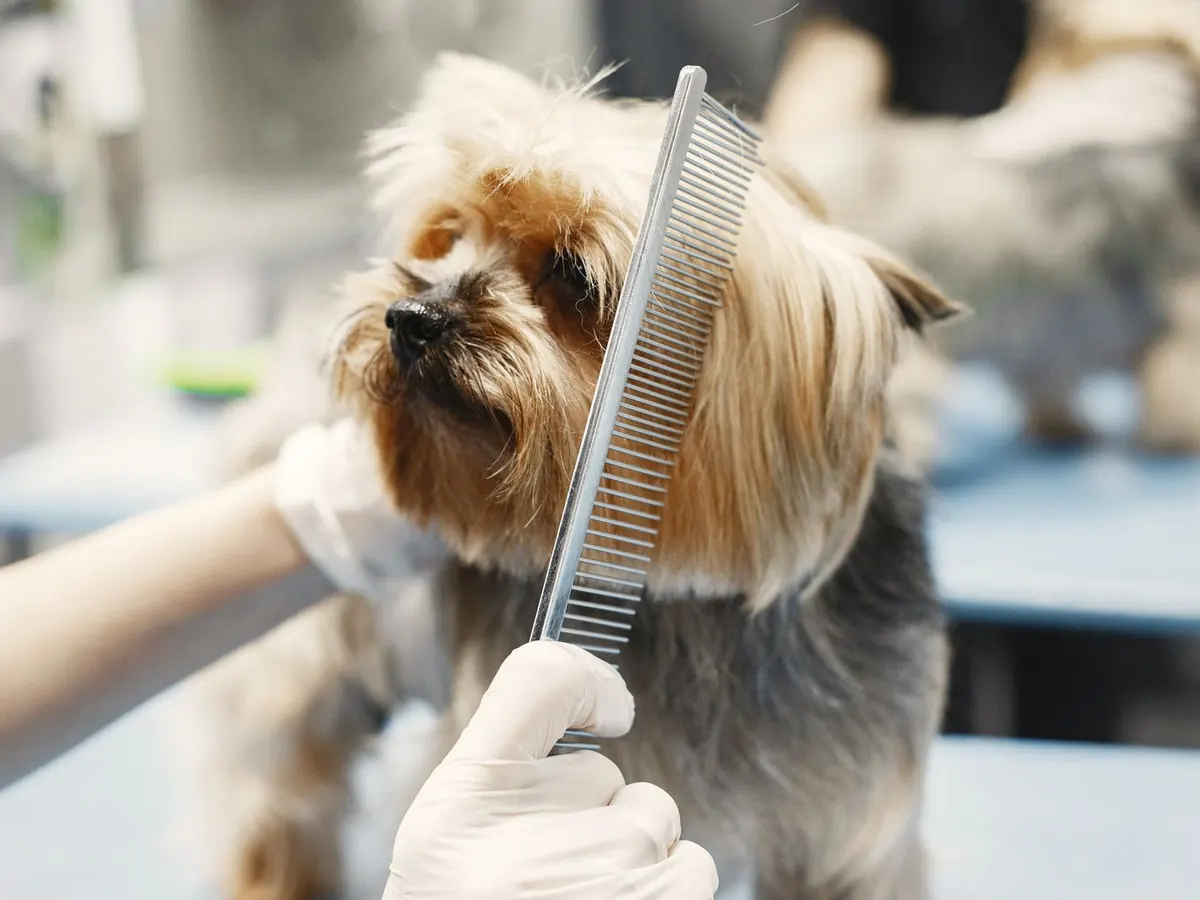
Pet owners buy with emotion and repeat often — but the brand was capturing neither.
We led with the emotional bond between owners and pets, then built retention to capture repeat demand.
The brand grew profitably and built lasting loyalty:
Pet owners are among the most loyal customers there are — if you earn it. Emotion-led creative plus replenishment-focused retention turned casual buyers into a repeat-revenue base.
Pet product buyers research heavily around specific concerns (ingredients, allergies, breed-specific needs), so campaigns and content were organised around those specific concerns rather than generic product categories. Creative testing ran across different pet types and life stages separately, since a campaign that performs for puppy owners doesn’t necessarily perform the same way for owners of senior pets.
Pet spending is large, steady and mostly on consumables, which is why retention matters as much as acquisition. The American Pet Products Association (APPA) puts US pet spending at about 158 billion dollars in 2025 and projects 165 billion for 2026. The same coverage lists food and treats at 68.3 billion dollars (about 43% of the total), veterinary care at 41.0 billion, and supplies, live animals and over-the-counter medicine at 34.4 billion. Only the headline total and projection are attributed to APPA there. This is US data; use it for category shape, not for Singapore or India sizing.
Sources measure different groups, so the figures disagree. APPA's 2026 report, as summarised by trade press, shows roughly half of pet parents using subscriptions in 2025 (49%, down from 52% in 2024) and 53% shopping online. Packaged Facts, which surveys people who already buy pet products online, reports 49% have used an automatic subscription for some purchase and 20% for pet food specifically (January 2025 survey). A separate Packaged Facts summary puts the all-shopper figure at 39%.
| Measure | Figure | Who was asked |
|---|---|---|
| Pet parents using subscriptions, 2025 | 49% (52% in 2024) | APPA, pet owners |
| Owners shopping online, 2025 | 53% | APPA, pet owners |
| Used any automatic subscription | 49% | Packaged Facts, online pet-product buyers |
| Used a pet food subscription | 20% | Packaged Facts, online pet-product buyers |
| Used a subscription, all shoppers | 39% | Packaged Facts summary, all pet-product shoppers |
Subscription figures differ because the survey bases differ. Check the base before comparing. Sources linked in the text.
The honest reading: subscriptions are mainstream but have plateaued, so a replenishment flow is an advantage, not a guarantee. Plan for a meaningful minority of repeat buyers to prefer flexible reorder reminders over a locked subscription.
Heavy items such as bags of food make delivery charges the main risk. Baymard's review of 50 studies puts the average cart abandonment rate at 70.22%, with 40% of shoppers citing extra costs such as shipping, tax and fees, 18% being asked to create an account, and 17% finding checkout too long or complicated. Showing the full delivery cost early and offering guest checkout address the two largest avoidable causes. Speed counts as well: in Vodafone's A/B test, a 31% better Largest Contentful Paint went with 8% more sales (2021, telecoms retail), and Google rates an LCP of 2.5 seconds or less as good.
Treat the first order as the start of a replenishment cycle and design the shop, the creative and the follow-up around it.
On an Indian D2C food and handicrafts store we manage, low-ticket orders made "sales are up" misleading, because the store needed high-value orders to be profitable. We now report revenue and average order value alongside purchase count and ROAS, never purchase count alone. For a pet brand the same discipline separates a healthy repeat-buying base from a spike of small trial orders, and it keeps bundle tests honest.
With ROAS now performing strongly, the brand is expanding into adjacent product categories using the same concern-first targeting approach that worked for the initial range. Customer data from this campaign is also informing which new products get prioritised for development next.
It depends on who you ask. APPA's 2026 report, as summarised by trade press, shows 49% of pet parents used subscriptions in 2025, down from 52% in 2024. Packaged Facts found 20% of online pet-product buyers had used a pet food subscription. Use these as a range and check your own repeat data.
They do different jobs. Acquisition finds new owners; replenishment captures demand you have already earned, at no media cost per order. For consumable categories, the most efficient growth usually combines both. Judge each on its own metric: ROAS for acquisition, repeat rate and lifetime value for retention.
Baymard's aggregated research puts the average abandonment rate at 70.22%, with extra costs the most common reason at 40%, followed by slow delivery at 20%. For heavy pet products, show delivery charges and delivery time before checkout, and allow guest checkout to avoid the 18% who leave when asked to register.
Yes. Creative that works for puppy owners may not work for owners of senior pets, so test and report them separately. Combine that with user-generated content and keep each test to one variable. Our beauty and skincare D2C case study shows a similar repeat-purchase approach in another category.