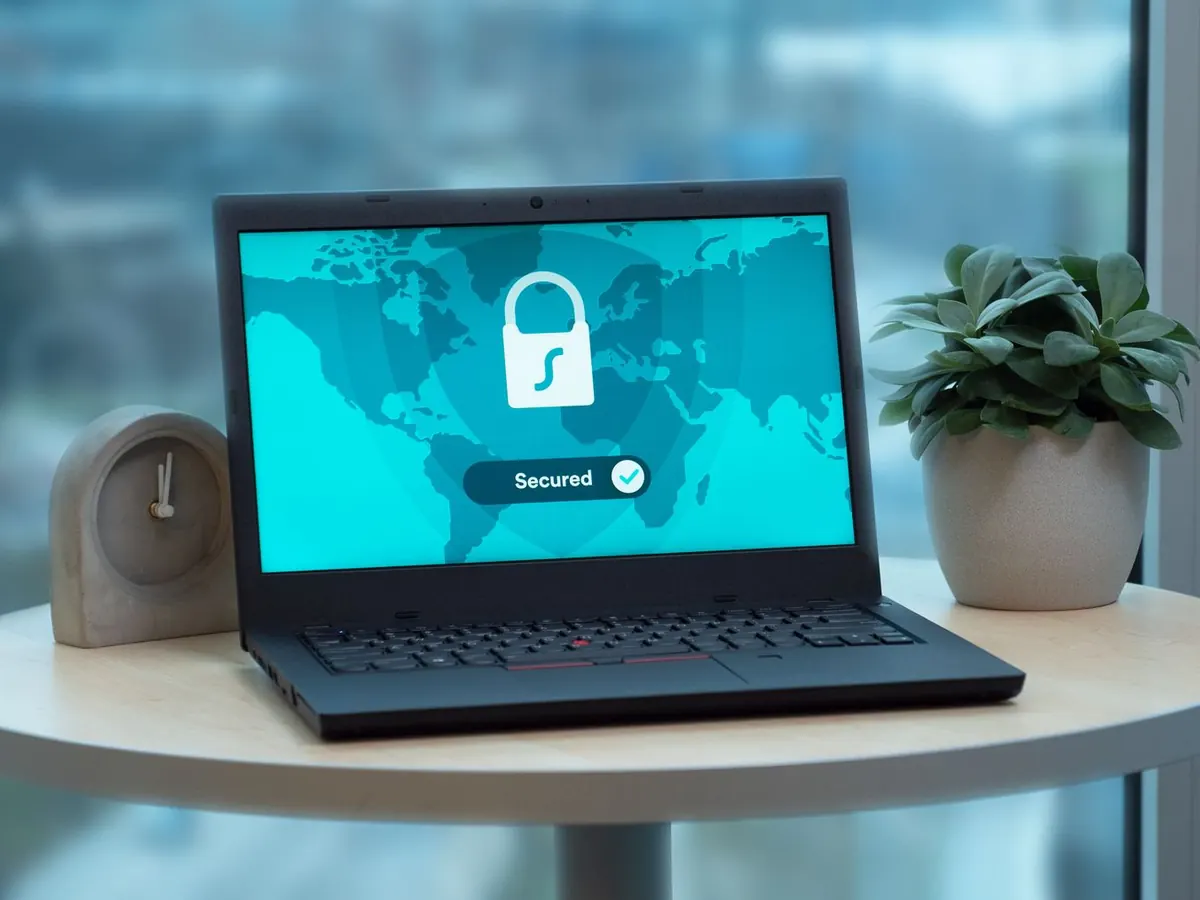
Small sales and support teams were paying for a CRM, a website chatbot, a WhatsApp bot, a campaign tool and a security scanner, and none of them shared data. DXDasia built one AI CRM that does all five jobs from a single login.
Five Tools Replaced by One AI CRM

Leads and conversations were scattered across separate subscriptions.
We built a single app where every lead, conversation and campaign lives together.
The team now works from one system instead of five:
Most small teams don't need more software; they need their software to share data. Putting the CRM at the centre, and making chatbots and campaigns read and write to it, meant every automation knew who the customer was and what had already happened.
The app is built as five modules inside one codebase with a shared contact and pipeline model, so a chatbot conversation, a campaign reply and a manual note all attach to the same record. It is white-label ready, so the same build can be branded and deployed for different businesses without code changes.
Because most of a salesperson's week goes on work that isn't selling. In Salesforce's seventh State of Sales report (2026), reps said they spend 60% of their time on non-selling tasks such as manual data entry, lead research and switching between tools. The same report found sales teams juggle an average of eight tools, and 51% of sales leaders say those tech silos hold back their AI efforts.
AI is already paying off for teams that connect it to their data. Salesforce's 2024 survey of 5,500 sales professionals found 83% of sales teams using AI saw revenue growth, against 66% of teams without it. Salesforce's latest State of Sales page adds that nine in 10 sales teams use AI agents or expect to within two years.
| Finding | Source |
|---|---|
| 60% of rep time spent on non-selling tasks | Salesforce State of Sales, 7th edition (2026) |
| Average of 8 sales tools per team; 51% of leaders say silos hinder AI | Salesforce State of Sales, 7th edition (2026) |
| 83% of teams with AI grew revenue vs 66% without | Salesforce State of Sales, 6th edition (2024) |
If you send marketing messages to Singapore phone numbers, the PDPA's Do Not Call rules apply. The PDPC's advisory guidelines say you must check the number against the Do Not Call Register within 21 days before sending, unless you hold the person's clear and unambiguous consent. An AI CRM should store consent and register checks with each contact so campaigns stay compliant.
No. Small teams benefit most, because one connected system replaces several subscriptions and the manual work of copying data between them.
Yes. WhatsApp conversations and campaigns run inside the CRM using the official WhatsApp Business Platform, with opt-in and template rules respected.
Yes. We start from the modules we have already built and tailor the pipeline, chatbot answers and automations to how your team sells.