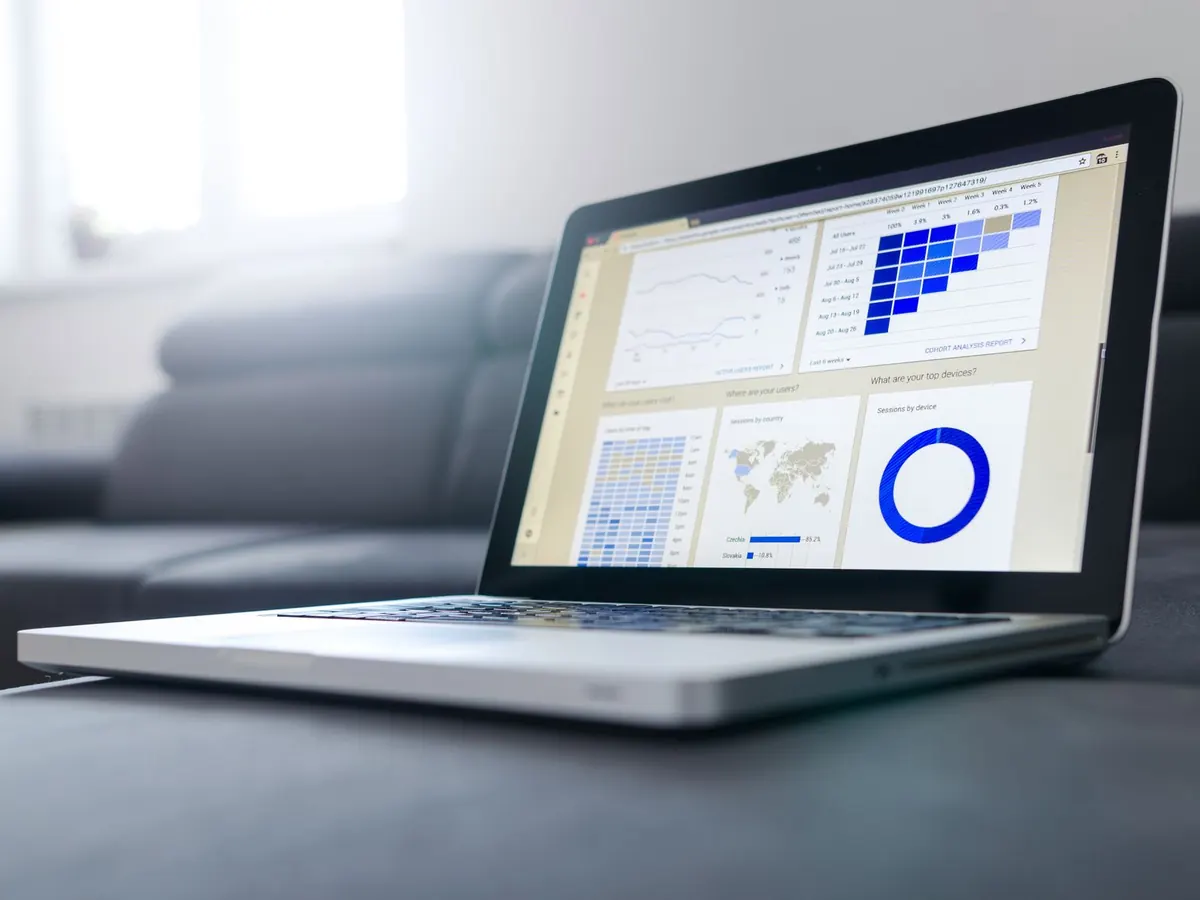
Recurring clients in different countries meant invoices in different currencies, tax rules and formats, all typed by hand every month. DXDasia built an automated invoicing system that generates correct, numbered, tax-compliant invoices for every client automatically.
Monthly Invoices Generated Automatically, in Every Currency

Month-end invoicing was slow, manual and easy to get wrong.
We built invoicing that runs from the subscription data itself.
Invoicing became a background process instead of a monthly task:
Invoicing errors cost cash flow and credibility. Generating invoices from the same data that defines each subscription removed the retyping where mistakes happen, and encoding the tax rules once meant they were applied the same way every time.
Invoices are generated from structured client and plan records, rendered to PDF from a branded template, and numbered from a single series. Tax treatment is chosen per client, so domestic and export clients get the right format automatically.
Because late invoices quickly become late payments. Atradius's 2026 report on B2B payment practices in Asia found overdue invoices account for nearly one third of B2B receivables. Its 2025 Singapore report found overdue invoices affected an average 35% of B2B sales made on credit, with an average payment term of 46 days. In the US, Xero's small business data showed invoices were paid an average 8.5 days late in the June 2026 quarter.
Invoices that go out on time, correctly numbered and with the right tax treatment remove the most common excuses for delay.
| Finding | Source |
|---|---|
| Overdue invoices: nearly a third of B2B receivables in Asia | Atradius (2026) |
| Overdue invoices hit 35% of B2B credit sales in Singapore | Atradius (2025) |
| US small business invoices paid 8.5 days late on average | Xero (June 2026 quarter) |
In several markets, yes. In Singapore, IRAS is phasing in the GST InvoiceNow requirement, starting with new voluntary GST registrants from 1 November 2025 and 1 April 2026, then reaching existing registrants in stages from 1 April 2028 to 1 April 2031 by size of annual supplies. In India, e-invoicing applies to businesses with aggregate turnover above INR 5 crore from 1 August 2023, and from 1 April 2025 businesses with turnover of INR 10 crore and above cannot report e-invoices older than 30 days. Invoicing built on structured data is far easier to connect to these networks than PDFs typed by hand.
Yes. Each client is billed in their own currency, with the right tax treatment for domestic and export clients.
It tracks subscriptions, payments and renewals, and can connect to a payment gateway for online collection.
Yes. We model your plans, tax rules and invoice format, then automate the monthly cycle.